












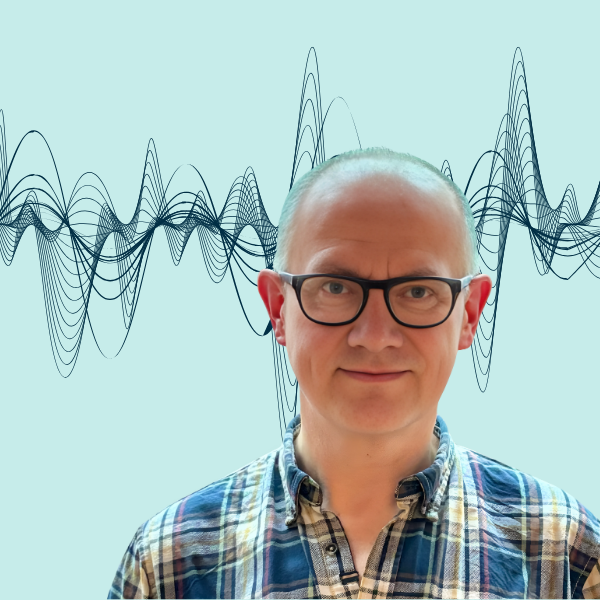
Artificial intelligence is reshaping industries, but according to Claus Dahl, Head of AI at Visma, the companies that will succeed aren’t those chasing hype, they’re the ones focusing on practical applications and careful execution.
From automating software development to managing risks, Claus offers a grounded perspective on how AI is transforming the way we work and what businesses need to do to make the most of it.
AI is changing software development first – not just routine tasks
When AI first gained traction, its primary role was automating repetitive tasks. But the landscape has shifted. Claus highlights an unexpected development: AI is now revolutionising software development itself.
“The leading thing that people are using AI for now is writing software. Almost every business that employs software developers is turning to AI to lower the cost of producing software,” says Claus. This shift has turned the software industry into an AI leader, with automation driving faster, cheaper development cycles.
The AI battle for search and reliable information
AI is also poised to disrupt search engines like Google. As AI tools produce more and more online content, the balance of power in search could shift to those who can curate trustworthy information.
“There’s going to be some warfare between the AIs that interpret the information and the AIs that produce it,” Claus explains. He sees a future where curated sources of information may become more valuable as the broader Internet becomes less reliable. “Google could very well be in trouble.”

The real AI risk: Overconfidence and bad decisions
While media hype often focuses on fears of superhuman AI, Claus believes the bigger threat is much more practical: bad AI making bad decisions.
“The core concern is to ensure the fidelity of the AIs we produce. We need to carefully evaluate the risks and limit them,” says Claus. AI’s failures don’t have to be catastrophic to be harmful – they could be as simple as giving incorrect tax advice or a bad treatment recommendation.
Claus also warns of overconfidence in AI. Referring to self-driving cars, he points out that major players like Elon Musk have overpromised progress for a decade. “There’s this overconfidence that the future will get here, and that’s a key risk, even when it comes to superhuman intelligences.”
AI will create new jobs, not just replace old ones
Rather than replacing humans, AI will create new opportunities by automating repetitive tasks and opening the door to new roles. Claus predicts a future where AI coexistence becomes the norm.
“They need to be built, managed, and steered in a beneficial direction. There’s going to be a lot of jobs like that, even jobs we haven’t thought about yet,” Claus explains. One emerging category he envisions is AI evaluation specialists, who will monitor and guide AI performance to ensure quality outcomes.
He also highlights how AI will democratise access to tools previously reserved for larger companies. “Now we can give automated finance departments to everybody, which will improve outcomes for many small businesses.”
Claus’s advice for businesses? Let people experiment
For companies adopting AI, Claus’s advice is simple yet powerful: create a culture of experimentation. “Let your people experiment. Make sure you have a culture where they can try interesting ways to do their job,” he says.
At the same time, he stresses the importance of measuring quality and outcomes. Companies should focus on AI’s practical impact – whether it’s reducing costs, improving workflows or unlocking new business opportunities.
Final thoughts
AI isn’t about chasing futuristic visions of fully autonomous systems. As Claus Dahl puts it, success lies in practical applications, rigorous evaluation and careful risk management. Companies that strike this balance will be the ones to thrive in an AI-driven world.
For more expert insights from AI leaders, stay tuned to our ongoing podcast series.
Subscribe to the Silver Linings podcast today