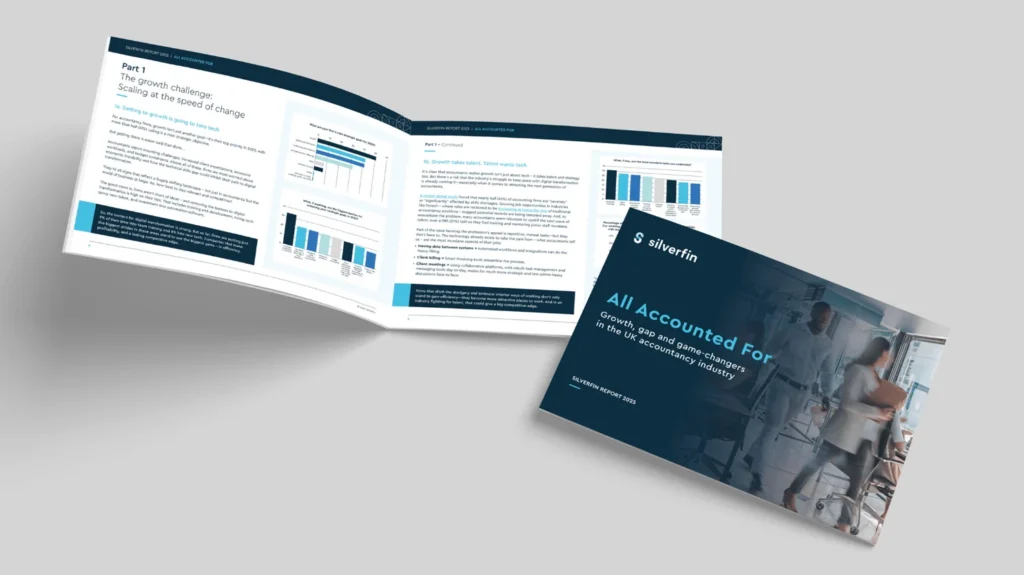













Accounting firms are moving away from desktop software, with 67% of accountants preferring cloud-hosted solutions over traditional on-premise software.
The advantages of cloud-based accounting software are clear: it offers real-time data access, automates routine tasks, and allows seamless collaboration from any location.
The result?
An accounting firm that operates with far greater efficiency, fewer manual errors, and more time spent on high-value tasks like liaising with clients.
Additionally, the cloud enhances data security and flexibility, allowing accounting firms to grow without worrying about system limitations or data breaches.
In a nutshell, accounting firms that embrace cloud technology gain a crucial competitive edge.
What is the difference between cloud accounting and traditional accounting software
The main difference between cloud accounting and traditional accounting software is where the software is hosted and how firms access their financial information.
Traditional accounting software is typically installed on desktop computers or hosted on internal servers. While it can still support everyday accounting tasks, it can make remote working more difficult and often requires firms to manage updates and maintenance themselves.
Cloud accounting software removes these limitations by storing data securely online. Accountants can access live financial information from anywhere, making it easier to keep work moving and stay connected with clients and colleagues. Automatic updates also ensure firms always have access to the latest features and security improvements.
For modern accounting firms, cloud accounting offers the flexibility needed to improve efficiency and keep pace with a changing industry.
Key benefits of cloud accounting software
Switching to cloud accounting software offers significant benefits that help accounting firms reduce costs and improve efficiency.
In fact, cloud-hosted accounting software has been shown to reduce operating expenses by up to 50%, making it a smart financial decision for accounting firms looking to streamline their processes.
But the advantages of cloud accounting systems don’t stop there. There are many more, and as technology continues to evolve, the advantages of going cloud-based will continue to grow.
Working Smarter with Automation
One of the primary benefits is automation, especially when it comes to compliance and repetitive tasks like data entry and reconciliation.
This not only saves time but also allows accountants to focus on more valuable work, such as advising clients and analysing data for better decision-making.
When efficiency in accounting firms is key to success, automation is an invaluable function, ensuring that resources are used wisely.
Minimising mistakes
Manual tasks are prone to human error, which can result in costly mistakes.
Cloud accounting solutions minimise these risks by automating key processes, leading to more accurate and reliable financial records.
This reduces the time spent correcting errors and improves the overall quality of financial reporting, which is crucial for maintaining your firm’s reputation. Trustworthy reporting not only enhances client confidence but also establishes your firm as a dependable and professional service provider, essential for long-term growth and success.
Enhanced security
Data security is a top priority for accounting firms, and cloud platforms offer significant advantages in this area.
With advanced encryption, regular backups, and secure storage, cloud-based software protects sensitive client information from threats like data breaches or hardware failures.
Unlike traditional on-premise systems, cloud-based accounting solutions offer continuous security updates to keep data protected at all times.
Real-time data access and competitive advantage
Cloud software also enables real-time data access, allowing accountants to work with the most current information.
This capability gives firms a competitive edge, as they can respond quickly to financial changes and offer timely, proactive advice to clients.
The combination of automation, enhanced security, reduced errors, and real-time data access explains why you should use cloud accounting software. It’s an essential tool for firms aiming to improve efficiency, accuracy, and client service.
Better teamwork, smoother projects
Collaboration also gets an upgrade with cloud accounting software. Managers can quickly check the status of client work across their entire portfolio, keeping everyone aligned and on track.
Plus, built-in collaboration tools mean teams can share updates, files, and resources in real time, all in one place. No more juggling different platforms or versions of documents—everyone has access to the same data.
This seamless way of working ensures better communication, faster progress, and ultimately, a better experience for clients and accounting firms alike.
What to look for in cloud-based accounting software
Choosing the right cloud accounting software is crucial for streamlining workflows and improving accuracy.
But what is the best cloud accounting software?
While there are many options available, the best accounting systems share a set of key features that make them stand out. Automation, AI-powered tools, real-time data access, and scalability are all essential components that help firms operate more efficiently.
These features not only reduce manual errors but also enable teams to work faster and smarter, ensuring that the software can grow with the firm’s needs.
Let’s take a look in more detail.
The automation advantage
Automation is a cornerstone of modern cloud accounting software and it’s an essential feature to look for when comparing cloud accounting softwares. It streamlines repetitive tasks like compliance, data entry and reconciliation, freeing up accountants to focus on more strategic work.
AI-powered tools
AI has become an invaluable tool in cloud accounting platforms. It helps accountants detect errors and anomalies in financial data, providing insights that would otherwise require significant manual effort.
With AI’s ability to analyse large volumes of data quickly, firms can review accounts more effectively, saving time and reducing the risk of missed discrepancies.
Real-time data access
Cloud software’s ability to provide real-time data is crucial for effective decision-making. This feature ensures that accountants always have access to the most current information, which greatly enhances collaboration and minimises version control issues.
With real-time updates, teams can work simultaneously on the same files without delay, improving productivity.
Scalability
Scalability is another essential feature for cloud accounting software, particularly for growing firms. The best platforms can expand as needed, accommodating increased data volumes and additional users without sacrificing performance.
This flexibility is vital for firms that plan to grow, ensuring their software can handle an expanding client base and more complex financial operations.
Choose Cloud Accounting With Silverfin
Efficiency and accuracy are crucial in accounting, and Silverfin’s cloud-based platform was built with this in mind.
Offering real-time data integration, connected working paper templates and AI-powered analysis with Silverfin Assistant, it helps firms streamline their processes.
Plus, as your firm grows, Silverfin scales easily without hassle. By eliminating inefficiencies and enhancing workflows, it’s an ideal choice for firms looking to work smarter and stay ahead in the industry.
Real-Time insights with AI power
Silverfin’s cloud-based platform is designed to keep accounting firms efficient and accurate. Its real-time data integration means accountants always work with up-to-date information, reducing the risk of errors.
Meanwhile, the AI-powered analysis with Silverfin Assistant actively scans client files, flagging anomalies and suggesting fixes. This automation cuts down on manual reviews, freeing up time for more strategic tasks.
The value of Silverfin Assistant extends beyond data checks though, by helping to onboard and upskill new or junior team members. It offers detailed explanations of the checks applied to client files, which helps close knowledge gaps and boosts confidence.
This feature allows newer staff to understand processes more quickly while reducing the need for constant oversight from senior colleagues, making teams more self-sufficient and efficient.
Simplified Accounts Production with connected working papers
Silverfin’s connected working papers offer a fast and paperless way to prepare and review client accounts.
With digital templates pre-populated from live data, accountants can create accurate, MTD-compliant statutory accounts in a fraction of the time.
These smart templates include relevant notes and disclosures, ensuring nothing is missed. By linking directly to client data, the process becomes streamlined, minimising manual input and reducing the chances of errors.
Seamless collaboration and scalability
Teams can collaborate effortlessly, accessing client files simultaneously without worrying about version issues.
In addition, Silverfin’s flexible per-client pricing model also makes it easy for firms to scale as they grow, adding clients without the high costs that come with per-user pricing.
The Silverfin edge
While traditional on-premise systems rely on more manual processes, Silverfin automates key functions, improving accuracy and saving time.
With features like automated reconciliations and live data syncing, Silverfin offers a modern solution that eliminates the inefficiencies often found in older systems.
For any firm looking to nurture future success and gain a competitive advantage, switching to a cloud-based platform like Silverfin is undoubtedly the wise choice.
Embracing the future of accounting with Silverfin
It’s a fact: cloud-based accounting software brings substantial benefits. Firms that have yet to adopt cloud solutions are missing out on increased efficiency, cost savings, and improved client service.
Now is the time to move away from outdated systems and embrace the future of accounting with platforms like Silverfin.
By automating routine tasks and providing live data insights, cloud-based platforms streamline operations and enable firms to scale without limitations.
Make the switch and ensure your accounting firm stays competitive and ready for growth.
See how Silverfin can transform the way your firm works. Get started today and experience the future of accounting firsthand.
FAQs on Switching to Cloud Solutions for Accounting
The time it takes to switch depends on the size of your firm and the complexity of your current processes. With the right support, moving to a cloud platform like Silverfin can be a smooth transition with minimal disruption to your team.
Silverfin helps you move away from manual processes by bringing client data, working papers, and accounts production into one connected platform. This allows your teams to start improving efficiency quickly while gradually adapting to new workflows.
In many cases, yes. Cloud accounting software uses advanced security measures such as encryption, automatic backups, and regular security updates to help protect sensitive financial data. Because these updates are handled automatically, you benefit from the latest security improvements without needing to manage them in-house.
On-premise software can also be secure, but firms are responsible for maintaining servers, installing updates, and managing backups themselves. Without regular maintenance, systems can become more vulnerable over time.
For most accounting firms, cloud accounting offers a secure and reliable way to protect client data while reducing the burden of ongoing system maintenance.
Cloud accounting software makes accountants more efficient by taking care of many of the routine jobs that would otherwise be done manually. Everyday tasks like data entry and reconciliations can be completed much faster, leaving more time to focus on reviewing accounts and supporting clients.
Because financial data is updated in real time, you always have access to the latest information without waiting for files to be shared or systems to be updated. It also makes it much easier for your teams to work together, helping firms complete work faster while maintaining accuracy.